

July 13, 2026
The Importance of a Brand Manual for Your Business
Discover the importance of a brand manual in ensuring visual identity consistency and strengthening your company's digital presence.
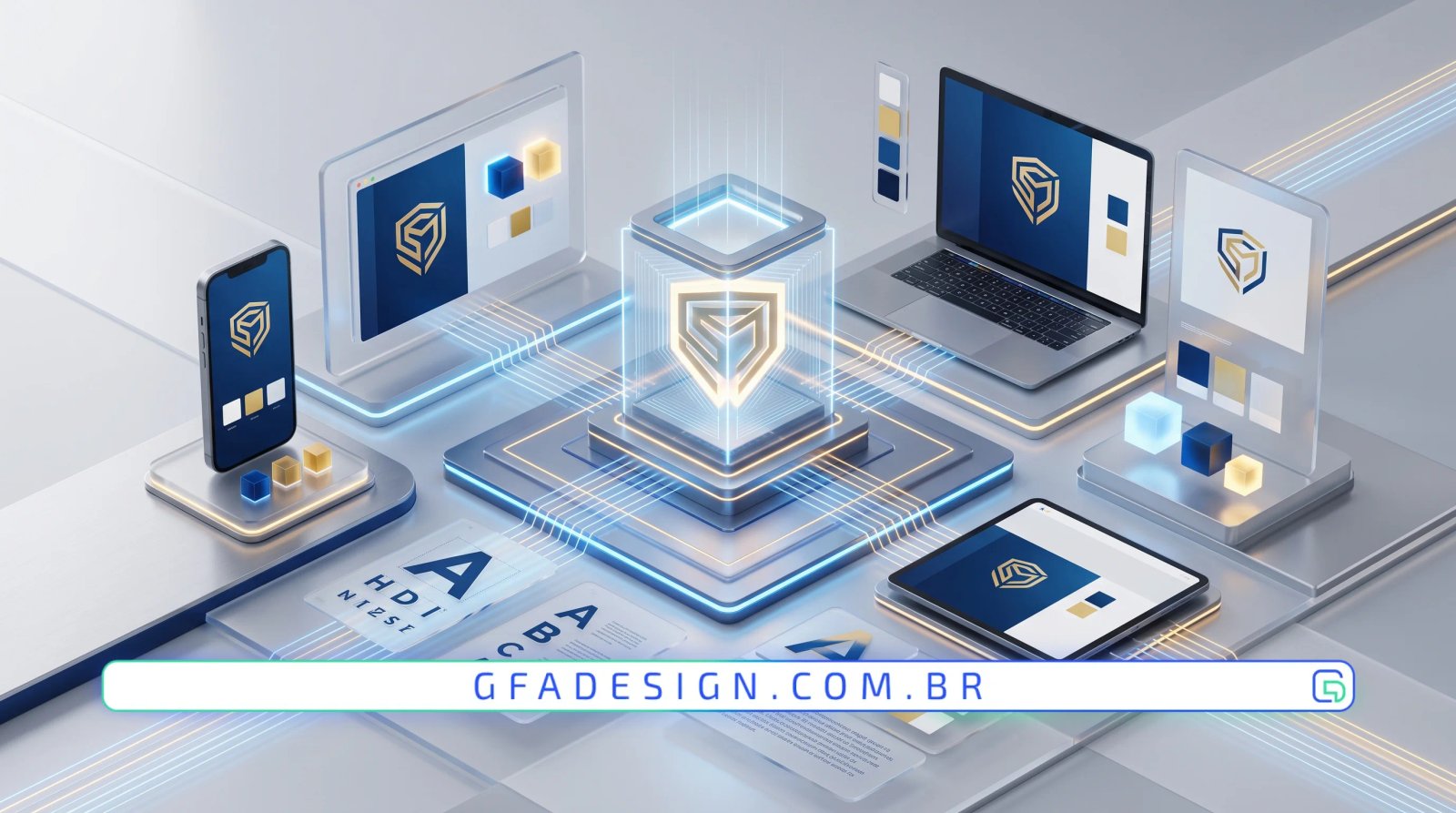
Discover the importance of a brand manual in ensuring visual identity consistency and strengthening your company's digital presence.
A brand manual, also known as a visual identity guide, is a technical document that gathers all guidelines, standards, and recommendations for the correct use of a company's visual elements. It serves as a roadmap for designers, copywriters, partners, and employees, ensuring that company communication is always uniform, professional, and recognizable.
Our experience creating solutions for clients shows that the absence of this document often results in inconsistent promotional materials, distorted logos, and a loss of brand equity in the consumer's mind. Therefore, it is indispensable for any business seeking structured growth.
Consistency is key to building a strong brand. When the audience sees your brand on Instagram, your website, or a physical flyer, they must instantly recognize the same identity. A brand manual ensures this alignment through several benefits:
A good manual must be practical and detailed. Generally, it is divided into essential sections that guide the brand's application:
Defines the primary version of the logo, secondary versions (monochrome, vertical, horizontal), and the clear space required around the symbol to ensure legibility.
Presents the brand's official colors with their respective codes for different media: HEX (for web), RGB (for screens), CMYK (for print), and Pantone.
Specifies which fonts should be used in titles, subtitles, and body text, maintaining visual hierarchy across all graphic assets.
As experts in the field, we always recommend that the brand manual also include specific guidelines for the digital environment, ensuring that website design and social media follow the same standard of high performance and usability.
Without clear rules, every professional interacting with your brand will apply a personal interpretation to it. This creates communication noise and weakens your market presence. That is exactly why, here at GFA Design, we treat this detail as a top priority in our projects, delivering a comprehensive guide that shields our clients' identity against any visual distortion.
Investing in a structured brand manual is not a cost, but rather a strategic asset that protects your company's historical and aesthetic value over the years.
I work with strategic design to position your company and attract the right clients.
Explore branding & web design services