

July 9, 2026
The Impact of Lo-Fi and Retro-Tech Aesthetics on Design
Discover how lo-fi and retro-tech aesthetics are transforming digital design and how to apply this nostalgic trend to your project.
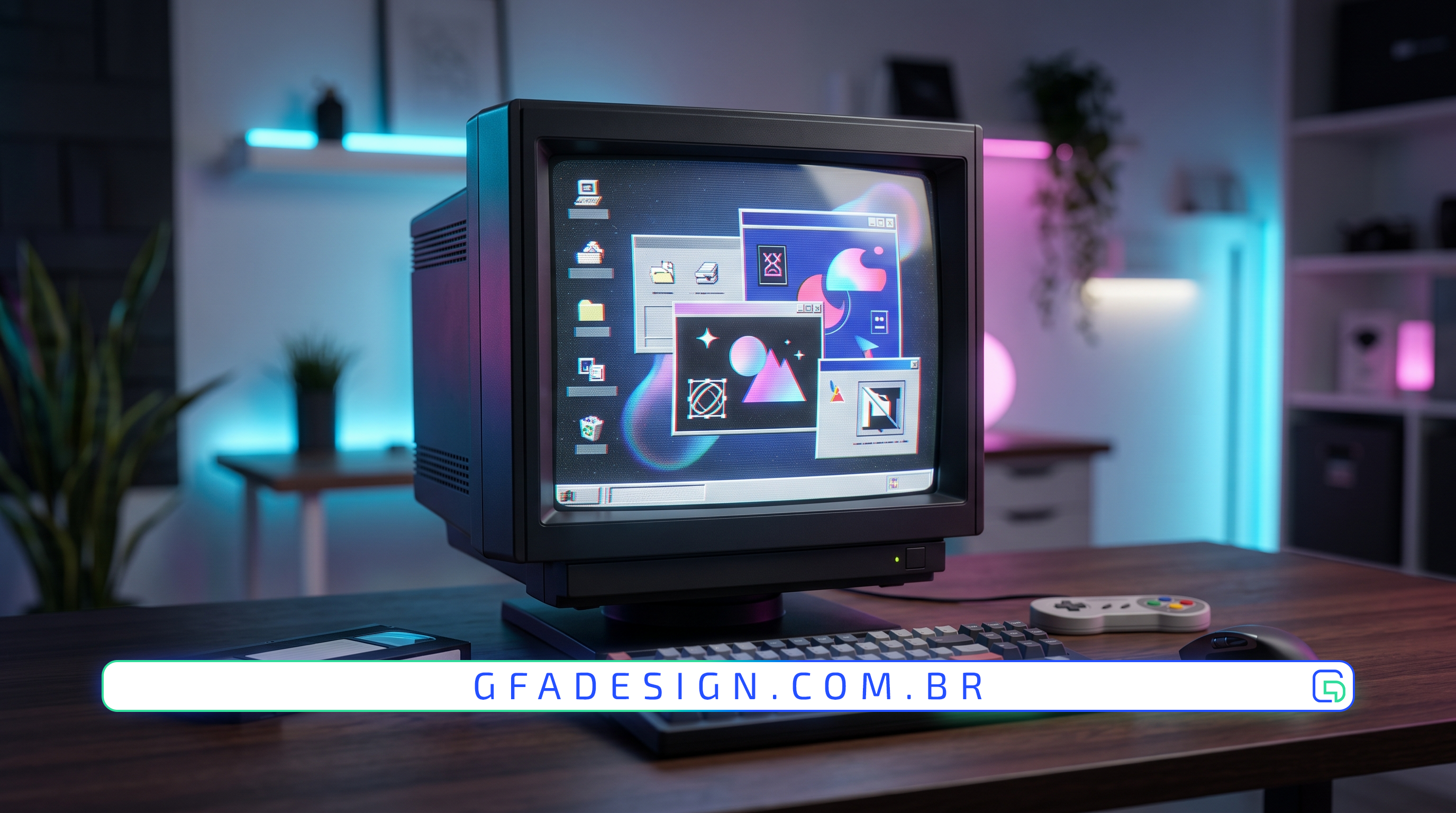
Discover how lo-fi and retro-tech aesthetics are transforming digital design and how to apply this nostalgic trend to your project.
In recent years, the digital design world has witnessed a fascinating return to the past. The Lo-fi (low fidelity) aesthetic and the retro-tech movement celebrate the imperfections, nostalgia, and visual charm of 1980s and 1990s technologies. Far from being just a nostalgic whim, this trend revives elements like VHS tape textures, vintage operating system interfaces, neon color palettes, and analog noise to create rich and highly magnetic visual experiences.
In a landscape saturated with ultra-minimalist and excessively clean layouts, retro-tech emerges as a manifesto of personality. It humanizes technology, connecting emotionally with the user through memories of a more tactile and experimental digital era.
The short answer is: emotional connection. Nostalgia is one of the most powerful engagement tools in existence. When users interact with a design that recalls early video games or CRT monitors, an instant sense of familiarity and comfort is generated.
Our experience creating solutions for clients shows that brands embracing nostalgic elements build much deeper and more immediate emotional connections with their audience. By breaking the coldness of traditional corporate design, retro-tech allows companies to position themselves authentically, creatively, and memorably in the market.
Adopting this aesthetic does not mean creating a website that looks broken or obsolete. On the contrary, it is about incorporating classic elements in a stylized and modern way. Here are the key components to consider:
As experts in the field, we always recommend that the application of these elements be done in a balanced way, ensuring that the website's usability and performance are not compromised for the sake of visual style.
The major challenge when adopting Lo-Fi or retro-tech aesthetics in modern web design projects is ensuring the website remains fast, responsive, and accessible. Heavy visual elements or poorly optimized complex animations can ruin the user experience and harm your site's SEO.
That is exactly why, here at GFA Design, we treat this detail as a top priority in our projects, blending a striking nostalgic look with clean code, next-generation image optimization, and ultra-fast loading times. The perfect design is one that delights the user's eyes while delivering flawless usability under the hood.
I work with strategic design to position your company and attract the right clients.
Explore branding & web design services