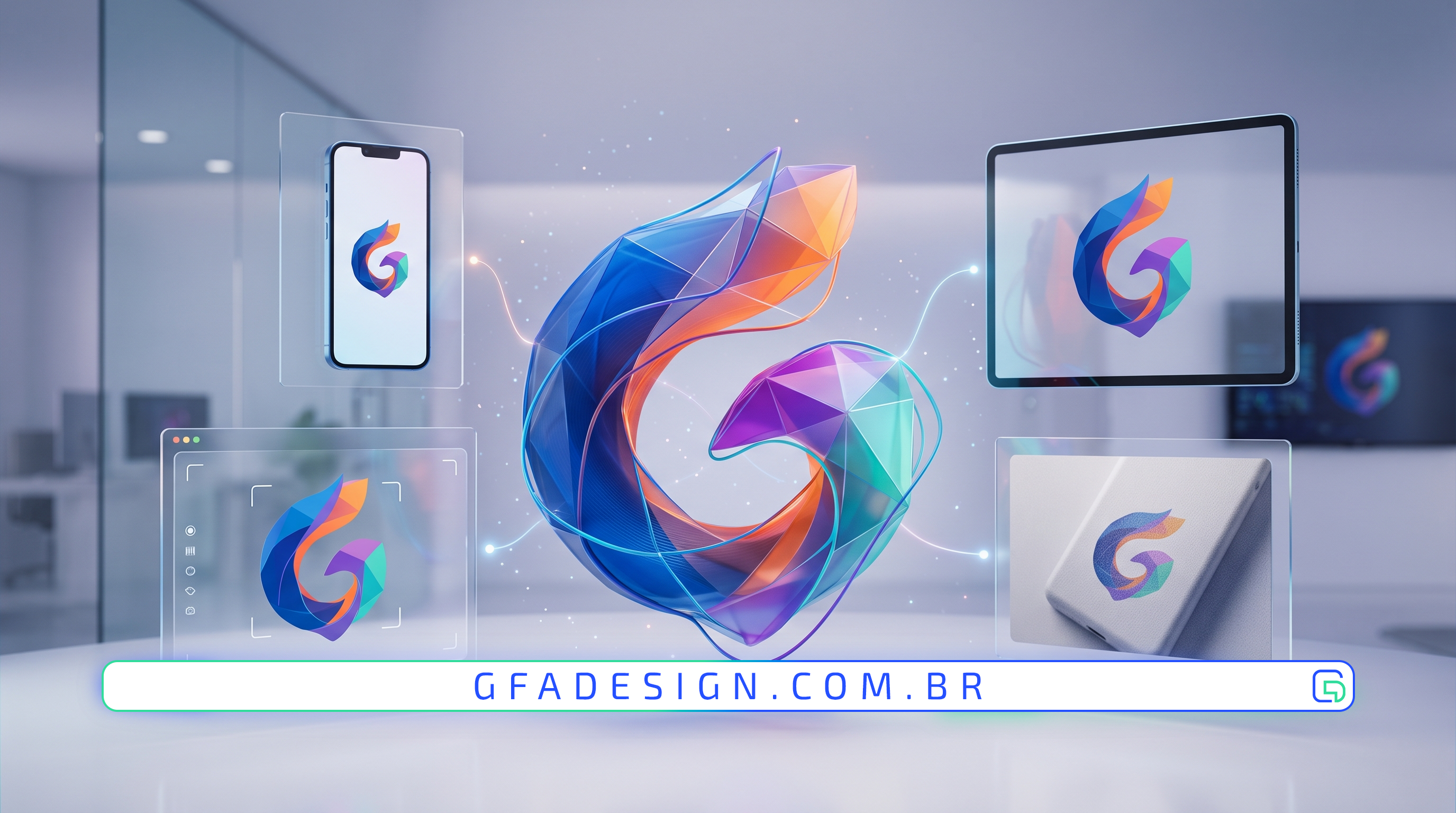
The Dynamic Branding Revolution
In today's landscape, where consumer attention is a scarce commodity and the digital environment is constantly shifting, the idea of a static brand identity seems increasingly obsolete. This is where Dynamic Branding and Adaptive Identities come into play—an approach that allows brands to evolve, adapt, and express themselves in fluid, contextual ways, all while preserving their core essence.
Far from being a mere trend, dynamic branding is a strategic response to the imperative for brands to remain relevant, engaging, and memorable across multiple touchpoints—from a tiny app icon to an immersive augmented reality experience.
Why Dynamic Branding is Crucial Today
The digital age has brought unprecedented fragmentation of communication channels. Brands must manifest across websites, mobile apps, social media, offline campaigns, wearables, and even voice interfaces. A rigid identity can fail to communicate effectively across all these platforms. Dynamic branding offers:
- Contextual Relevance: The ability to adapt visual and message elements to the specific environment or audience, making the brand more resonant.
- Enhanced Engagement: Visual elements that move, change color, or form can capture attention and create a more interactive and memorable experience.
- Brand Longevity: An identity that can evolve with time and trends, without the need for major, costly overhauls every few years.
- Diferentiation: Standing out in a saturated market by showcasing a modern, flexible, and innovative brand.
Key Elements of an Adaptive Identity
A dynamic brand identity doesn't imply an absence of guidelines; rather, it's a robust set of rules that govern flexibility. Elements that can be dynamic include:
- Flexible Logos: Variations of the main logo that adapt to different sizes, formats, or contexts while maintaining brand recognition. This can include changes in colors, shapes, or even the addition of animated elements.
- Adaptive Color Palettes: A color system that can shift based on mood, product, season, or audience, but always within a defined spectrum that maintains brand cohesion.
- Variable Typography: Fonts that can alter their weight, width, or style to express different tones or information hierarchies, while remaining part of the brand's typographic family.
- Modular Graphics and Illustrations: Visual elements that can be recombined, animated, or transformed to create new compositions, all while upholding a consistent style.
- Sonic Identity: Alongside visual elements, sonic identity (jingles, interface sounds) can also feature dynamic variations for different contexts.
Challenges and Considerations in Implementation
While powerful, dynamic branding is not without its challenges. The key lies in striking the delicate balance between flexibility and consistency. A brand that is too fluid risks losing recognition, while one that is too rigid forfeits the benefits of adaptability.
It is crucial to develop robust brand guidelines that define the limits of variation, the triggers for changes, and the underlying principles that keep the brand's essence intact. Collaboration among designers, brand strategists, and developers is paramount for successful implementation.
The Future is Fluid
Dynamic branding isn't just about having a changing logo; it's about building a living, responsive brand that can converse with its audience on their own terms, across any platform. As technology advances and consumer expectations evolve, a brand's ability to adapt and reinvent itself will be a crucial competitive differentiator. Those who embrace fluidity will stay ahead in the game of connection and enduring relevance.
Need help applying this to your brand?
I work with strategic design to position your company and attract the right clients.
Explore branding & web design services